Have you ever wondered why some coffee beans taste remarkably fresher than others, even when purchased from the same roaster? The secret lies in the intricate science of Wintech packaging of coffee beans and the critical role of airtight coffee packaging in preserving their complex flavor profile.
When it comes to coffee bean storage, every detail matters. The packaging of coffee beans is not just about keeping them contained; it’s a sophisticated process that protects the delicate chemical compounds developed during roasting. Professional roasters understand that proper packaging can make the difference between a mediocre and an exceptional cup of coffee.
The Maillard reaction during roasting creates unique flavor compounds that continue to evolve. Your coffee’s quality depends on how effectively you can preserve these nuanced characteristics through strategic packaging of coffee beans. Advanced degassing valve technologies now allow coffee enthusiasts to maintain peak freshness and flavor complexity.
Key Takeaways
- Packaging of coffee beans is crucial for maintaining flavor integrity
- Airtight coffee packaging prevents oxidation and flavor degradation
- Degassing valves play a critical role in preserving coffee bean quality
- Proper coffee bean storage extends the shelf life of roasted beans
- Advanced packaging technologies protect delicate flavor compounds
Importance of Packaging of Coffee Beans
Coffee packaging is a critical aspect of preserving the unique flavors and quality of your favorite brew. The right packaging can make the difference between a spectacular cup of coffee and a disappointing one. Wintech Package has been at the forefront of innovative coffee packaging solutions, developing advanced techniques for whole bean preservation.
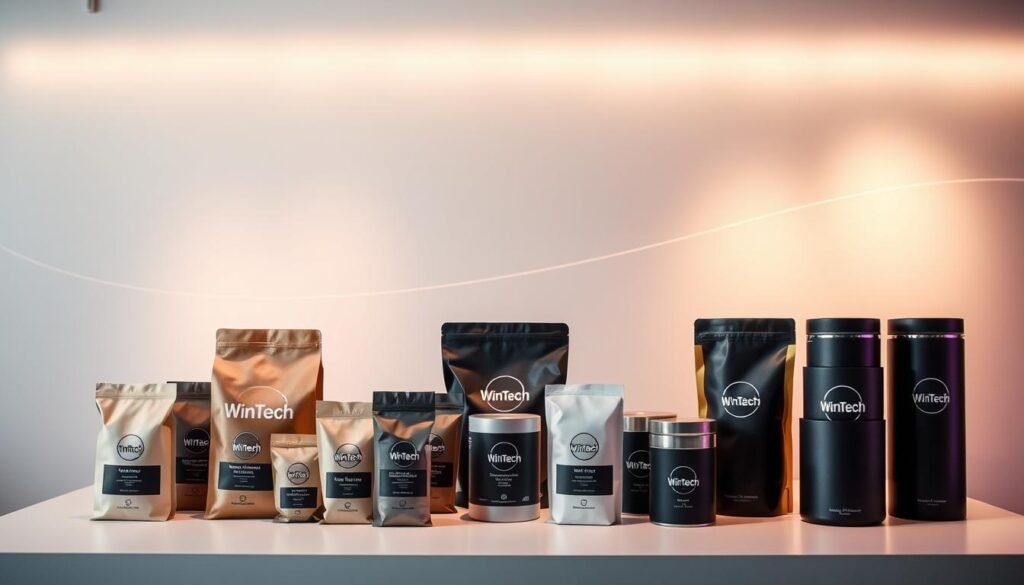
Understanding Coffee Freshness
When coffee beans are roasted, they begin a complex chemical process that impacts their flavor and aroma. The key challenge for coffee producers is maintaining the beans’ peak freshness from roasting to brewing. A degassing valve plays a crucial role in this preservation process.
- Freshly roasted beans release carbon dioxide
- Oxygen exposure can quickly degrade coffee quality
- Proper packaging prevents flavor loss
Effects of Packaging on Flavor
Your coffee’s taste is directly influenced by its packaging. Vacuum sealed coffee provides an excellent method for protecting beans from external elements. The right packaging creates a protective barrier that locks in the essential oils and aromatic compounds that give coffee its distinctive flavor profile.
The Role of Degassing in Packaging
Degassing valves are a revolutionary solution in coffee packaging. These specialized one-way valves allow carbon dioxide to escape while preventing oxygen from entering the package. This technology ensures that your whole beans remain fresh and flavorful for an extended period.
“Packaging is not just about protection, it’s about preserving the essence of coffee.” – Coffee Packaging Expert
By understanding the science behind coffee packaging, you can appreciate the intricate process that goes into delivering a perfect cup of coffee from roaster to your mug.
Techniques for Packaging of Coffee Beans
Packaging of coffee beans has evolved dramatically in recent years, transforming how roasters preserve and deliver their premium products. The right packaging strategy can make a significant difference in maintaining coffee quality from roastery to cup.
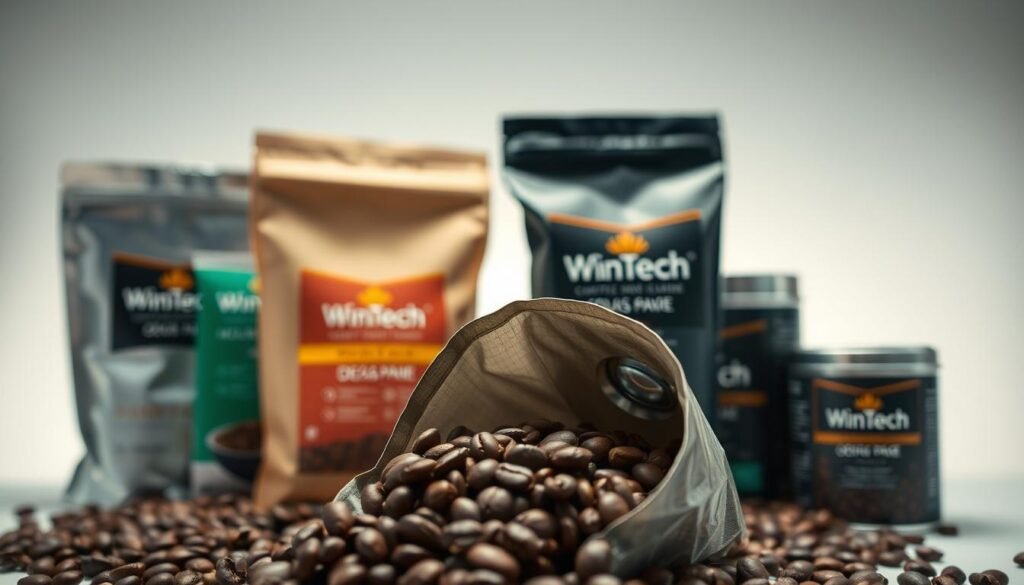
Modern coffee packaging requires a sophisticated approach that balances preservation, sustainability, and flavor protection. Specialty coffee bags now incorporate advanced technologies to ensure peak freshness and quality.
Best Practices for Packaging Methods
Successful packaging of coffee beans depends on several critical factors:
- Utilizing barrier materials that block oxygen and moisture
- Implementing one-way degassing valves
- Selecting opaque packaging to prevent light exposure
- Minimizing handling during packaging processes
Choosing the Right Materials
Sustainable coffee packaging has become a priority for environmentally conscious roasters. Key considerations include:
- Biodegradable materials
- Recyclable packaging components
- Renewable resource-based films
“The future of coffee packaging lies in protecting both flavor and our planet.” – Coffee Industry Insights
Innovations in Packaging Technology
Freshness lock technology represents a breakthrough in specialty coffee bags. These advanced packaging solutions provide:
| Technology | Benefit | Impact |
|---|---|---|
| Vacuum Sealing | Oxygen Elimination | Extended Shelf Life |
| Modified Atmosphere | Controlled Gas Environment | Flavor Preservation |
| Micro-Perforated Films | Precise Degassing | Optimal Freshness |
By integrating these cutting-edge techniques, roasters can ensure that your coffee arrives with its original flavor profile intact, delivering an exceptional brewing experience every time.
Future Trends in Packaging of Coffee Beans
The coffee packaging landscape is rapidly transforming, with innovative solutions reshaping how roasters approach packaging of coffee beans. Consumers are now demanding more sophisticated and environmentally conscious packaging methods that preserve coffee quality while minimizing ecological impact.
Sustainable packaging solutions are driving significant changes in the coffee industry. Brands like Blue Bottle and Starbucks are investing in airtight coffee packaging that reduces waste and maintains peak coffee freshness. Advanced materials such as biodegradable films and recyclable pouches are becoming standard, reflecting growing environmental awareness among coffee enthusiasts.
Emerging technologies are revolutionizing how degassing valve mechanisms work. Smart packaging now integrates sensors that track coffee freshness, providing real-time data about bean quality. These technological advancements help consumers understand precisely when their coffee reaches optimal brewing conditions, enhancing the overall coffee experience.
Consumer preferences continue to push packaging innovation forward. You’ll notice more transparent supply chains, with packaging that communicates origin, roast date, and sustainability credentials. As the market evolves, expect packaging of coffee beans to become increasingly sophisticated, balancing technological precision with environmental responsibility.